The Contribution of Artificial Intelligence to Transformation in Media
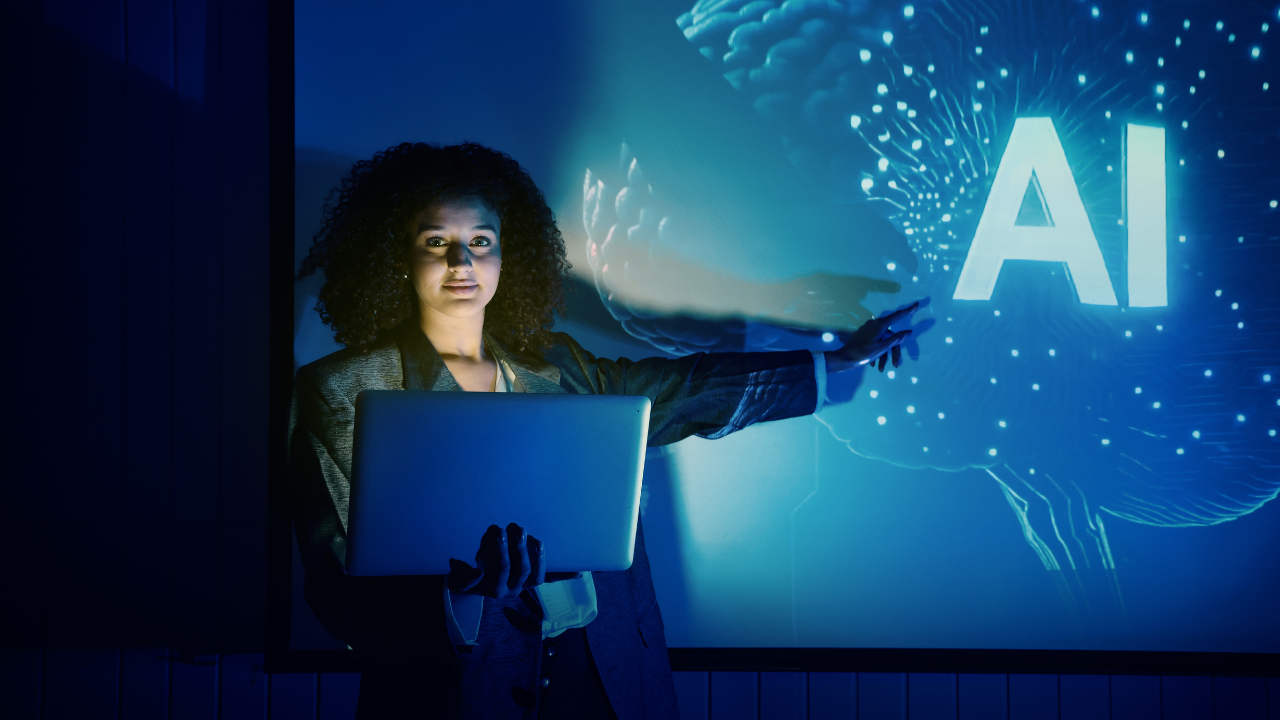
Artificial intelligence (AI) technologies are leading to fundamental changes in the field of media and content production. While traditional media production methods rely on manual processes, AI-supported systems now deliver faster, more efficient, and more effective results. AI is significantly transforming the way media professionals work, particularly in content creation, distribution, and analysis processes.
AI can automatically generate text, video, and audio content during the content creation phase using techniques such as natural language processing and machine learning. This helps media organizations both reduce costs and accelerate the content production process. For example, AI applications in news gathering and writing processes complement the work done by human editors, enabling the provision of real-time information.

In distribution processes, artificial intelligence algorithms can make content recommendations based on users’ interests and behaviors, offering personalized experiences. This increases user engagement on social media platforms and improves the rate of reaching the target audience. Furthermore, in the field of content analysis, artificial intelligence examines audience data to determine which types of content attract more interest and provides media professionals with the data necessary to make strategic decisions.
As a result, artificial intelligence is bringing revolutionary innovations to the media and social media fields, and these changes are reshaping content production processes and the roles of media professionals. By embracing this transformation, the media world can adopt a more effective and dynamic approach.
The Future of Personalized News Feeds
Artificial intelligence is a technology with the potential to revolutionize the media world. Today, personalized news feeds play a significant role in information consumption through content tailored specifically for readers. Algorithms analyze individuals’ interests and news consumption habits to provide them with the most relevant and up-to-date information. In this process, the interaction between artificial intelligence and media greatly facilitates the data collection and analysis process.
News platforms use reader data to develop content recommendation systems. These systems predict news that users may be interested in based on their previous reading habits. AI-powered media not only tailors news to personal preferences but also delivers content in a way that maximizes user attention spans.
As individuals’ demand for personalized news feeds increases, the advantages and disadvantages of these innovations are also becoming apparent. On the plus side, users can find more targeted and meaningful content based on their interests, which facilitates their access to information. However, this personalization process within the media may limit users’ access to different perspectives and carries the risk of creating information bubbles. Therefore, the impact of artificial intelligence on the media must be carefully considered.
Human Creativity and Algorithmic Efficiency: The Fine Line
Today, the interaction between artificial intelligence and media is increasing day by day and shaping creativity. Artificial intelligence plays an important role in content production and distribution on social media platforms. However, this creates a complex balance between human creativity and algorithmic efficiency. While humans form the essence of the artistic process with their emotional experience and aesthetic understanding, artificial intelligence offers important advantages in terms of speed and scale.
The human aspects of creativity include elements such as imagination, intuition, and personal experience. These elements, combined with the efficiency provided by artificial intelligence, enable the emergence of new art forms. For example, artists working with artificial intelligence in fields such as music, writing, or visual arts can produce hybrid works. However, how this collaboration will take place and what boundaries will be set will continue to be debated in the media and technology world.
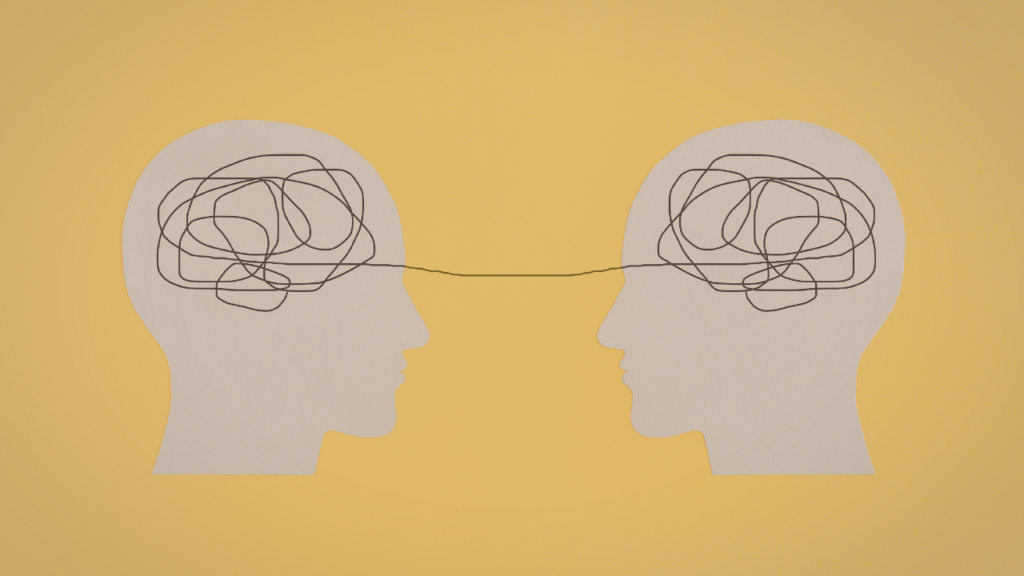
Artificial intelligence can analyze data within media to determine which content receives more engagement. This provides content creators with important insights into what types of stories and visuals attract audiences the most. However, there is a risk that these analyses may narrow creative processes beyond a certain point. In other words, directly embracing algorithm-based content creation can lead to the weakening of original creative ideas.
Ultimately, the future of creative work is directly related to how the interaction between human creativity and artificial intelligence will shape up. This balance will create new opportunities while also requiring the development of innovative approaches.
Transition from Traditional Publishing to the Age of Digital Experience
Traditional publishing was an industry that developed within certain constraints and rules, where the exchange of information and entertainment took place in a sincere manner. However, since the beginning of the 21st century, the rise of digital media and social media platforms has fundamentally changed this field. Now, AI-powered algorithms play a significant role in delivering content to target audiences. This digital transformation has created new dynamics for both content creators and consumers.
In the age of digital experiences, people’s media consumption habits have also undergone fundamental changes. Unlike traditional publishing, social media platforms have enabled everyone to become content creators. Users enjoy personalized experiences through artificial intelligence and media integration. Recommendation systems in various applications make media consumption more efficient by offering content based on users’ interests.
The Kovak media perspective is important for understanding this change. Changes in consumer behavior have reshaped not only content modeling but also user expectations. Consumers now seek an environment where they can engage continuously rather than relying on limited content streams. Content types and distribution methods must adapt to these expectations. Future projections indicate that the relationship between artificial intelligence and media will deepen further, and users will crave more interactive and personalized content. This transition is creating new rules and dynamics in the media world.